Packaging must do more than keep a product inside a bottle. It should protect the contents from contamination, prevent leakage, maintain freshness, and provide customers with visible evidence that the package has not been opened before purchase. Induction Sealing Liners have become one of the most dependable solutions for achieving these objectives, making them a preferred choice across industries that require secure and hygienic packaging.
For manufacturers in Delhi, where pharmaceutical production, food processing, cosmetics, lubricants, and specialty chemical industries continue to grow, selecting the right induction sealing liner is an important step toward improving packaging consistency and reducing product losses.
What Are Induction Sealing Liners?
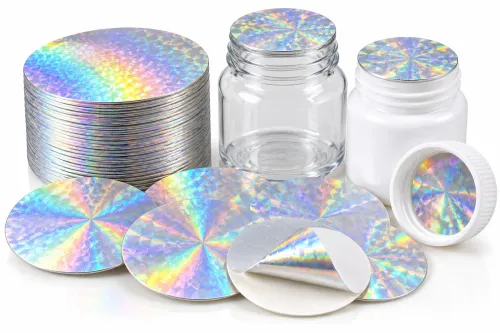
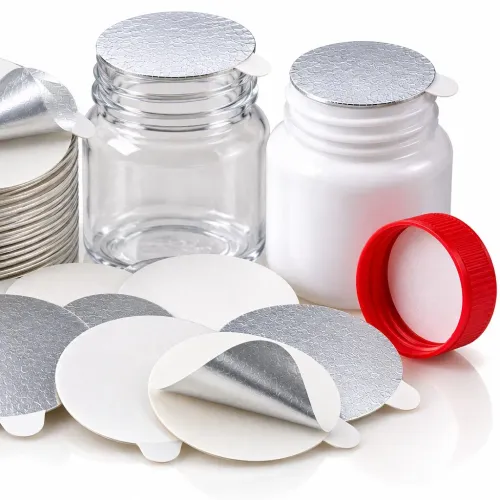
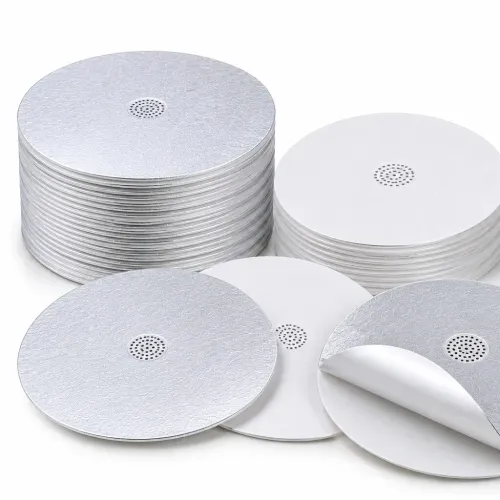
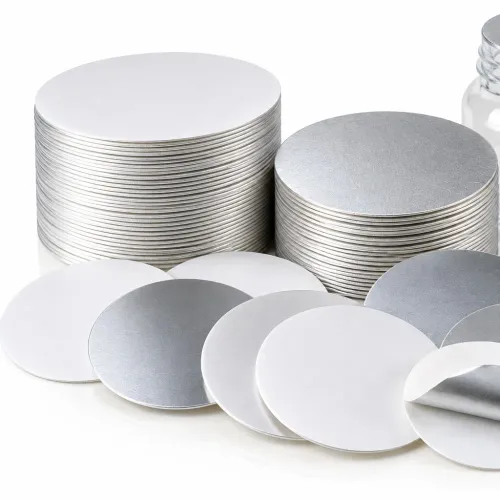
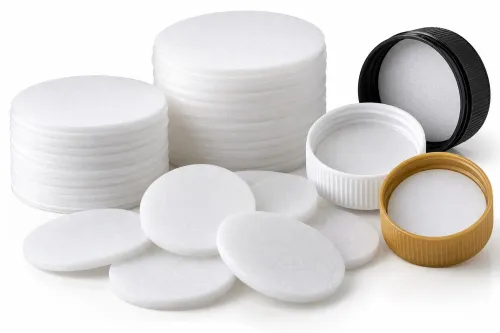
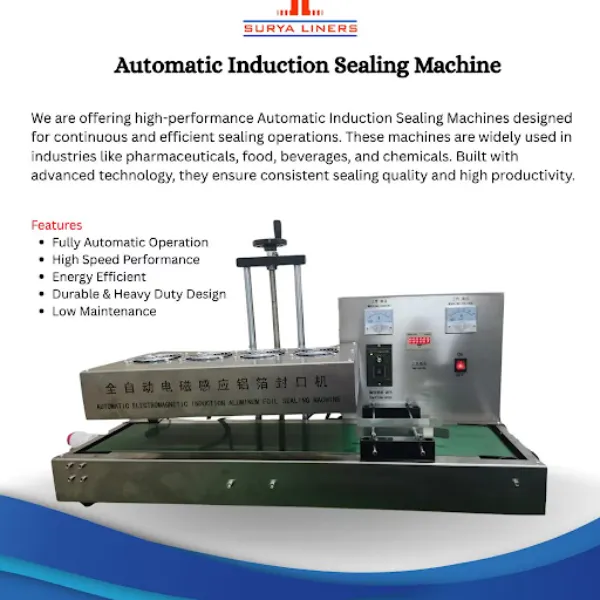
Induction sealing liners are multi-layer sealing materials placed inside bottle caps. After the cap is applied, the container passes through an induction sealing machine that generates electromagnetic energy. This process bonds the foil layer to the bottle opening, creating a secure seal.
Once sealed, the liner remains attached to the container until removed by the consumer, offering both product protection and tamper evidence.
Why Induction Sealing Liners Are Widely Used
Manufacturers across multiple industries rely on induction sealing because it combines safety with production efficiency.
Some of the key advantages include:
- Strong leak-resistant sealing
- Visible tamper evidence
- Protection from moisture and dust
- Improved product freshness
- Extended shelf stability
- Better packaging hygiene
- Support for automated production lines
- Increased consumer confidence
These benefits make induction sealing suitable for products distributed through retail stores, wholesalers, and export markets.
Industries That Commonly Use Induction Sealing Liners
Induction sealing technology is adaptable to numerous packaging applications.
It is widely used in:
- Pharmaceutical packaging
- Nutraceutical products
- Food and beverage containers
- Dairy packaging
- Cosmetic bottles
- Personal care products
- Lubricant containers
- Agrochemical bottles
- Household cleaning products
- Industrial chemicals
Each application requires selecting the correct liner structure based on the product, bottle material, and packaging process.
Factors That Influence Sealing Quality
Reliable induction sealing depends on more than the liner itself. Multiple packaging variables contribute to successful sealing performance.
Manufacturers should evaluate:
- Container material
- Bottle neck finish
- Cap compatibility
- Product formulation
- Filling temperature
- Induction machine settings
- Production speed
- Storage conditions
- Distribution requirements
Proper alignment of these factors helps ensure consistent sealing across production batches.
Common Causes of Induction Seal Failure
Even well-designed packaging systems can experience sealing problems if materials or machine settings are not correctly matched.
Some common causes include:
- Incorrect liner selection
- Uneven bottle neck surfaces
- Low sealing energy
- Excessive sealing time
- Contaminated bottle openings
- Improper cap torque
- Inconsistent production settings
Routine monitoring and quality testing can significantly reduce these issues.
Quality Tests That Improve Packaging Reliability
Before large-scale production, manufacturers often conduct several performance tests to verify sealing quality.
These may include:
- Leak resistance testing
- Seal strength evaluation
- Visual inspection
- Adhesion testing
- Dimensional verification
- Storage simulation
- Batch consistency checks
Testing helps identify potential issues before products enter the supply chain.
Selecting a Reliable Manufacturing Partner
The performance of induction sealing liners depends on consistent manufacturing standards, quality raw materials, and technical expertise. Businesses should look for suppliers capable of maintaining uniform product quality across large production volumes while offering solutions for different packaging applications.
Surya Products Limited manufactures induction sealing solutions for pharmaceutical, food, cosmetic, chemical, and industrial packaging sectors. The company develops bottle closure components that support efficient packaging operations while helping manufacturers achieve dependable sealing performance.
Improving Packaging Efficiency
Choosing the right Induction Sealing Liners contributes to safer packaging, improved operational efficiency, and better product protection throughout the distribution process. Manufacturers that evaluate container compatibility, sealing technology, and supplier quality can reduce packaging failures, improve customer satisfaction, and maintain reliable product integrity from production to final consumption.
Keywords